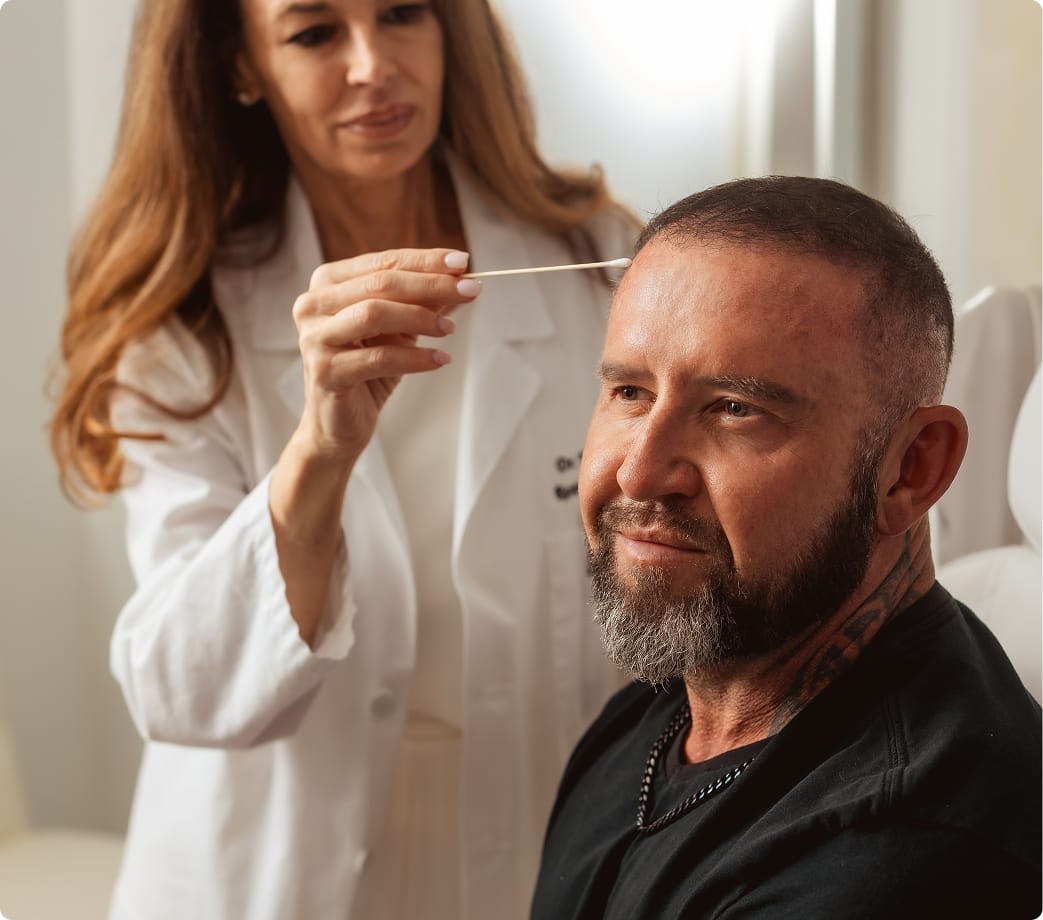
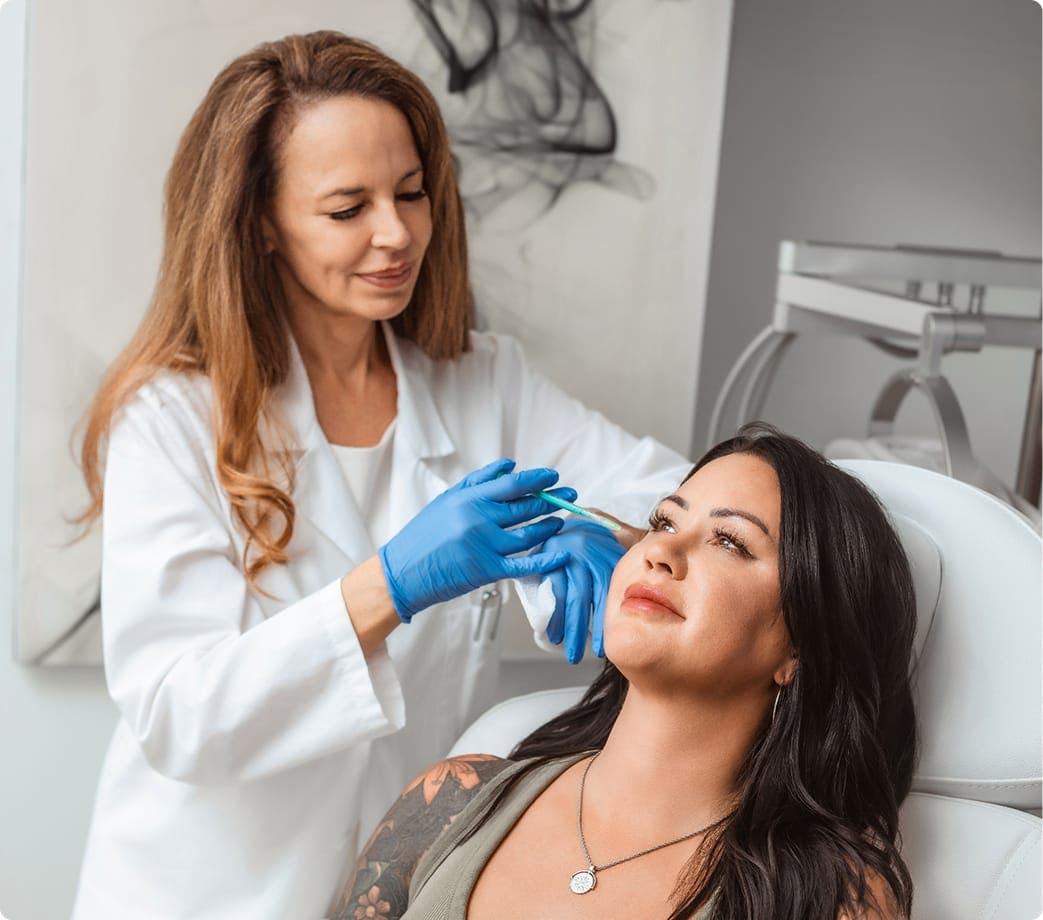
Hair loss can affect how people see themselves long before it becomes a medical concern. Dr. Terry Restivo offers hair restoration in Hawaii focused on realistic planning, natural regrowth, and approaches that respect both biology and long-term outcomes.
Hair Restoration in Hawaii

Why Choose Restivo Plastic Surgery?
Hair restoration requires long-term thinking, technical precision, and honest assessment of what the scalp can realistically support. At Restivo Plastic Surgery, recommendations are guided by medical judgment, patient priorities, and a commitment to results that remain natural over time.
A Surgical Perspective on Hair Loss
Dr. Restivo approaches hair restoration with training in both general and plastic surgery, bringing a deep understanding of scalp anatomy, tissue healing, and donor preservation. This perspective supports careful planning that prioritizes scalp health and sustainable outcomes rather than short-term density alone.
Clear Guidance Without Pressure
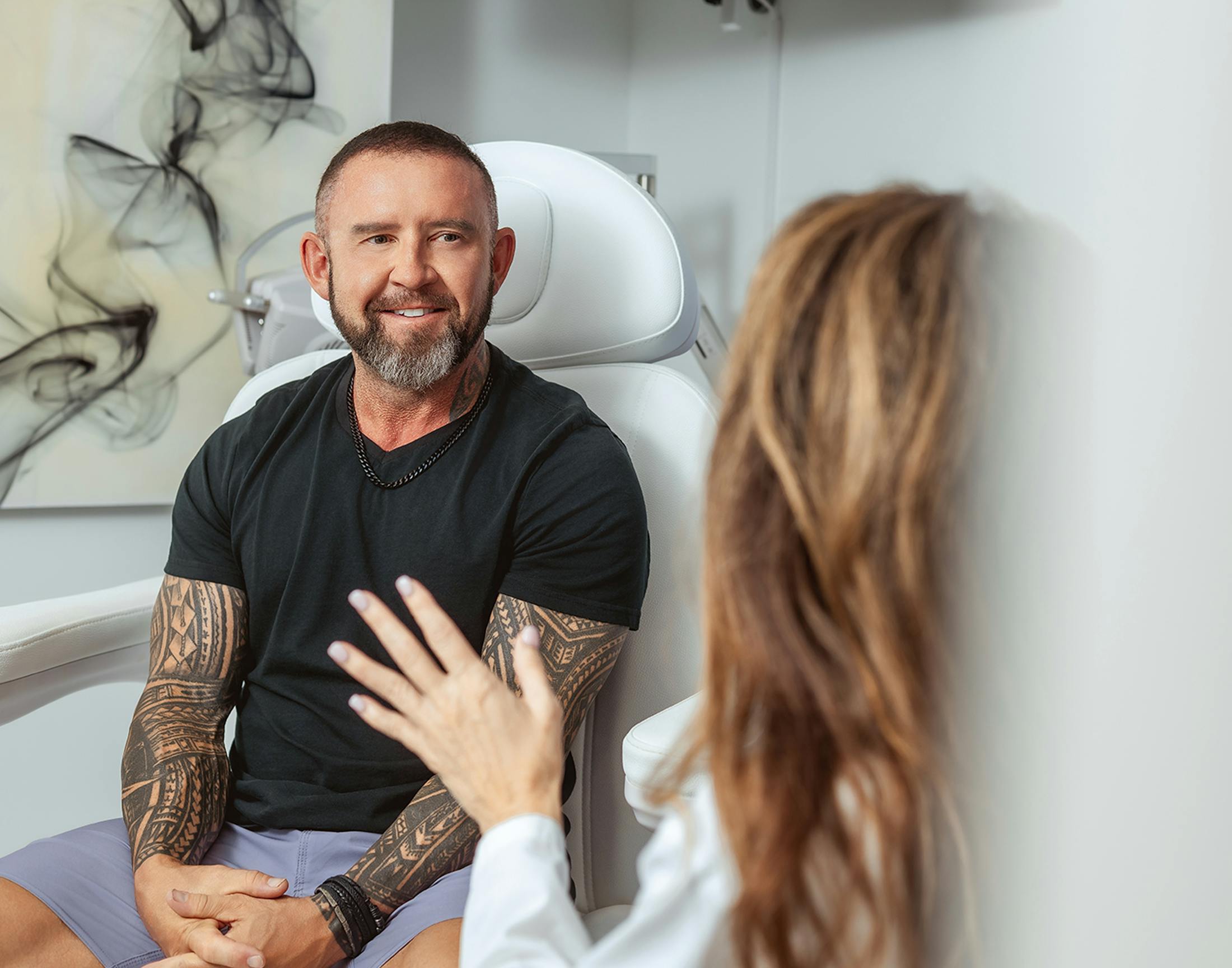
Consultations focus on education, not persuasion. Patients seeking hair loss treatment in Hawaii receive straightforward explanations about FUE, FUT, and non-surgical options, including limitations and timelines. Recommendations are made based on candidacy and biology, ensuring decisions feel informed rather than rushed.
Results Planned to Age Well
Hair restoration in Hawaii is designed with the future in mind. Treatment plans consider how hair loss may progress, helping results look appropriate not just immediately, but years later as natural aging and thinning continue. Care is delivered with discretion, consistency, and a long-term commitment to hair health and patient trust.

Where Care Feels Intentional
Every detail supports a patient-first experience. Visits are designed to feel unrushed, thoughtful, and honest. As a boutique, female-led practice, Restivo Plastic Surgery offers a discreet and calm setting for asking questions, exploring options, and feeling fully supported.





Frequently Asked Questions Hair Restoration
What causes hair loss?
Hair loss can result from genetics, hormonal changes, medical conditions, stress, or aging. A consultation helps clarify contributing factors and appropriate treatment options.
What is the difference between FUE and FUT?
FUE removes follicles individually, while FUT uses a donor strip. The best option depends on hair characteristics, goals, and donor availability.
Am I a candidate for hair restoration surgery?
Candidacy depends on donor hair quality, pattern of loss, and overall health. This is determined through evaluation, not assumptions.
Will transplanted hair look natural?
When placed carefully and planned appropriately, transplanted hair grows naturally and blends with existing hair over time.
Is hair restoration permanent?
Transplanted hair is generally long-lasting, though existing hair may continue to thin. Planning accounts for future changes.
How long does it take to see results?
New growth typically becomes noticeable several months after surgery, with continued improvement over time.
Does hair restoration require ongoing maintenance?
Some patients benefit from medical therapies or topical treatments to support existing hair alongside surgical restoration.
Is the procedure painful?
Hair restoration is performed with anesthesia to keep patients comfortable. Post-procedure soreness is usually manageable.
Can women undergo hair restoration?
Yes. Hair restoration may be appropriate for women depending on the type and pattern of hair loss.
How do I know which option is right for me?
A consultation allows for discussion of goals, scalp health, and long-term planning to determine the most appropriate approach.
Stay Connected with Us