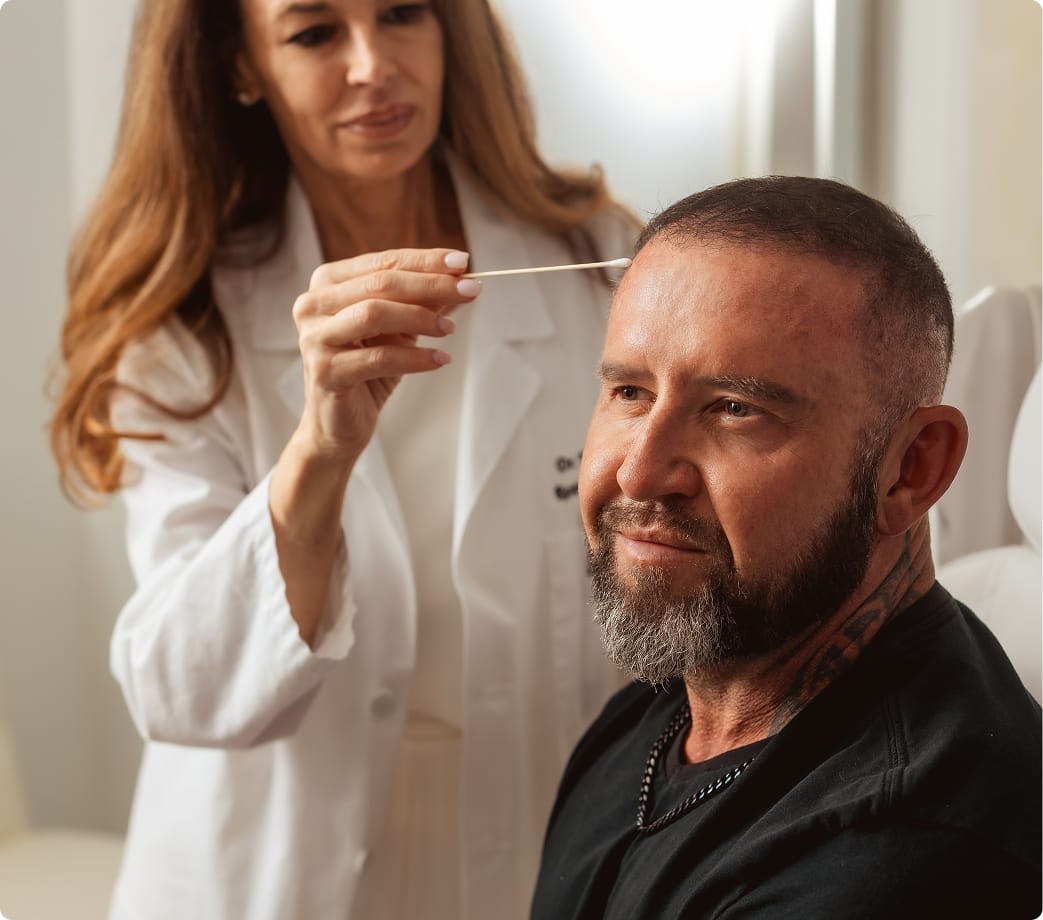
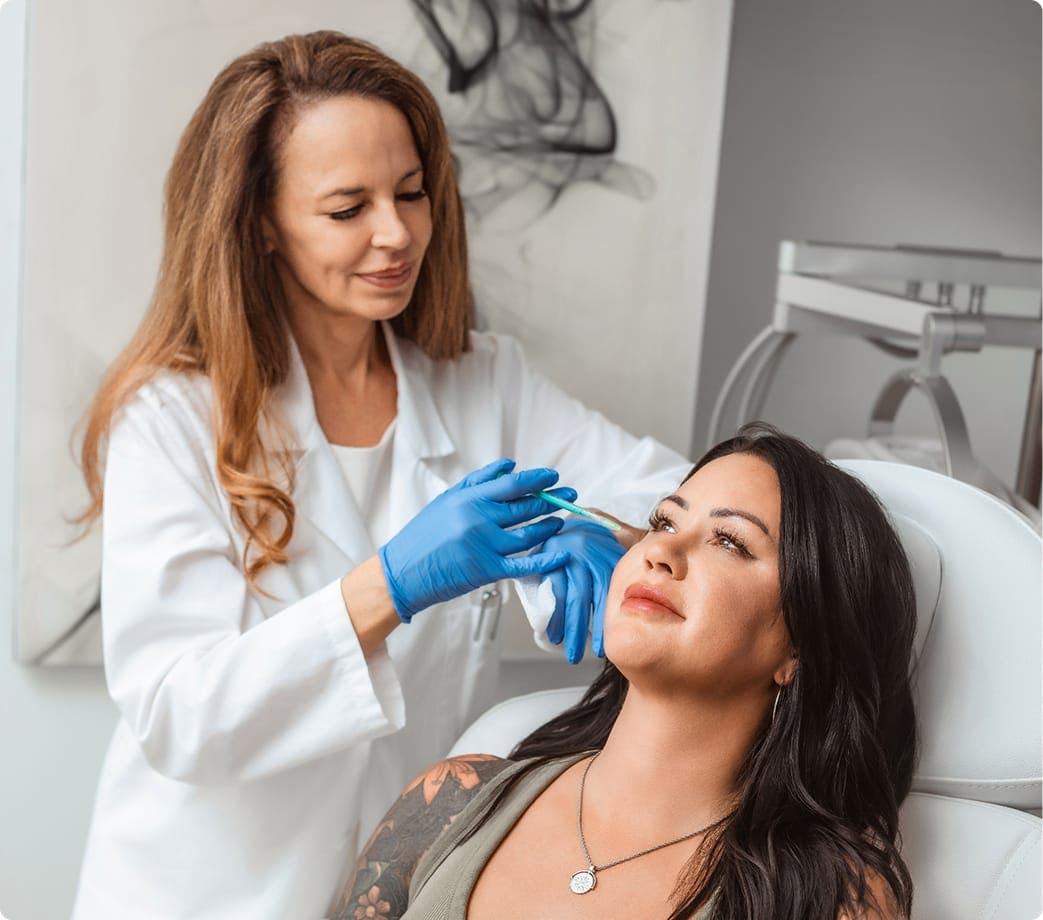
Hair loss can begin subtly and progress over time, affecting confidence long before you may feel ready for invasive intervention. Dr. Terry Restivo offers non-surgical hair restoration options grounded in medical insight, discretion, and realistic guidance.
Non-Surgical Hair Restoration in Hawaii
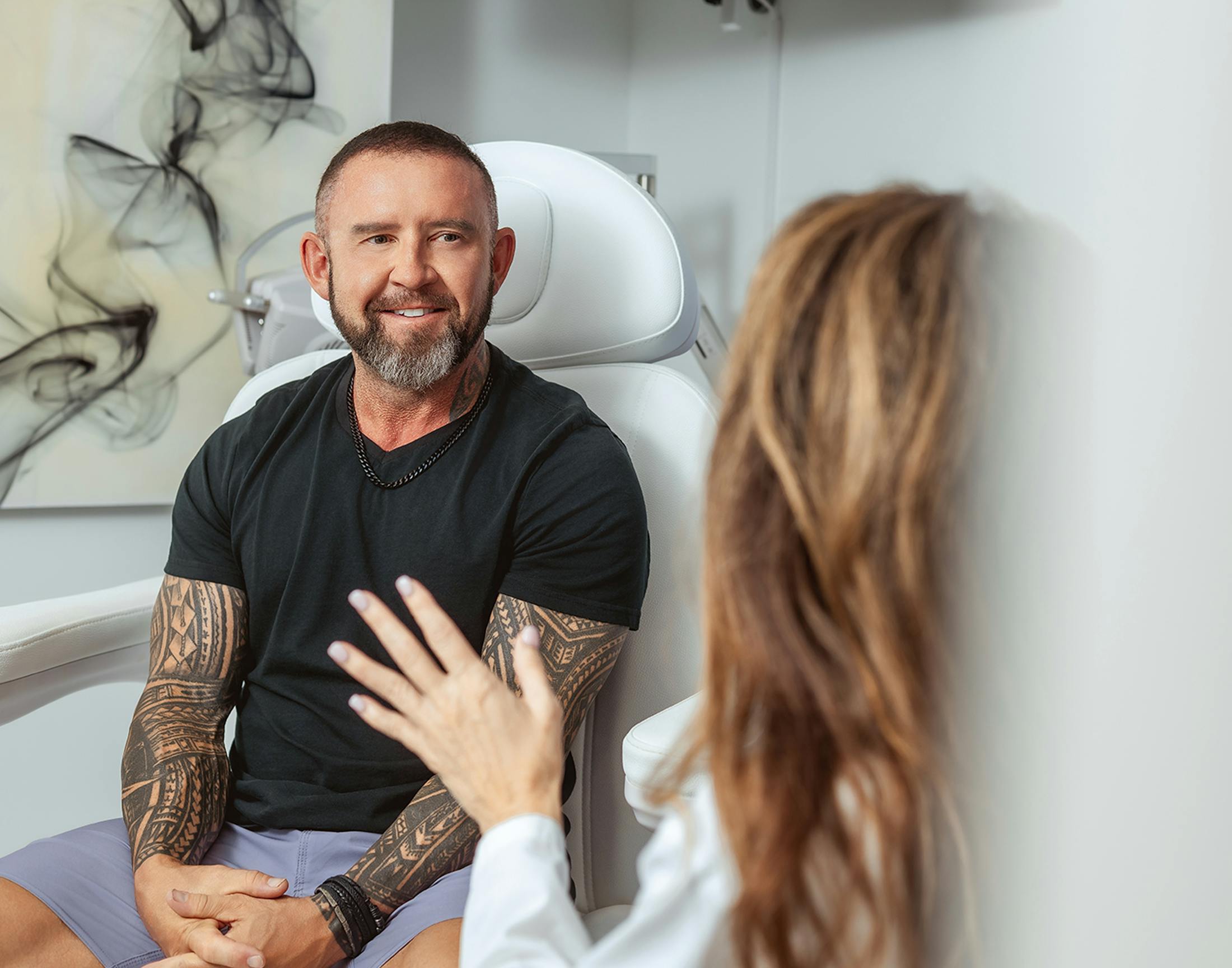
A Thoughtful Approach to Hair Loss Treatment
Hair loss treatment in Hawaii does not always require procedures or surgery. Many patients benefit from early, medically guided intervention designed to preserve existing hair, support follicle health, and reduce further thinning.
Dr. Restivo evaluates hair loss patterns, scalp health, medical history, and contributing factors before recommending treatment. In some cases, education and monitoring are the most appropriate next step. In others, medical therapy or topical support may provide meaningful benefit.

Non-Surgical Hair Restoration Options Offered

Medical Therapy / Prescription Medications
Medical Therapy / Prescription Medications
Prescription-based hair loss treatments may help slow shedding, support follicle function, and preserve existing hair. These therapies are often used for early intervention or long-term management and are guided by medical evaluation rather than trends or generalized protocols.

Over the Counter Topicals
Over the Counter Topicals
Topical treatments can play a supportive role in hair loss treatment in Hawaii for some patients. When appropriate, Dr. Restivo helps patients understand which formulations may be beneficial, how to use them correctly, and what level of improvement is realistic over time.


Is Non-Surgical Hair Restoration Right for You?
Non-surgical hair restoration may be appropriate for patients experiencing early thinning, increased shedding, or gradual changes in density who want to take a proactive, medically guided approach.
Candidacy depends on the pattern and cause of hair loss, overall health, and expectations. During the consultation, Dr. Restivo helps clarify whether medical therapy, topical treatment, or simple monitoring best aligns with your goals. There is no obligation to proceed, and recommendations are collaborative and paced.

Why Choose Restivo Plastic Surgery?
Hair restoration requires restraint, honesty, and medical judgment. At Restivo Plastic Surgery, non-surgical hair restoration is guided by what supports long-term confidence rather than immediate cosmetic change.
A Physician’s View of Hair and Health
Dr. Restivo’s background in general and plastic surgery informs how hair loss relates to overall health, hormones, and skin biology. This perspective supports thoughtful treatment selection and timing.
Guidance Without Pressure
Patients receive clear explanations about what non-surgical hair restoration can support and where its limits are. There is no upselling, no exaggerated promises, and no obligation to proceed.
Care That Respects the Personal Nature of Hair Loss
Patients choose Restivo Plastic Surgery for hair restoration because care feels private, measured, and respectful. Long-standing patient trust across Hawaii guides every recommendation. Support is consistent, discreet, and grounded in realistic outcomes.

Where Care Feels Intentional
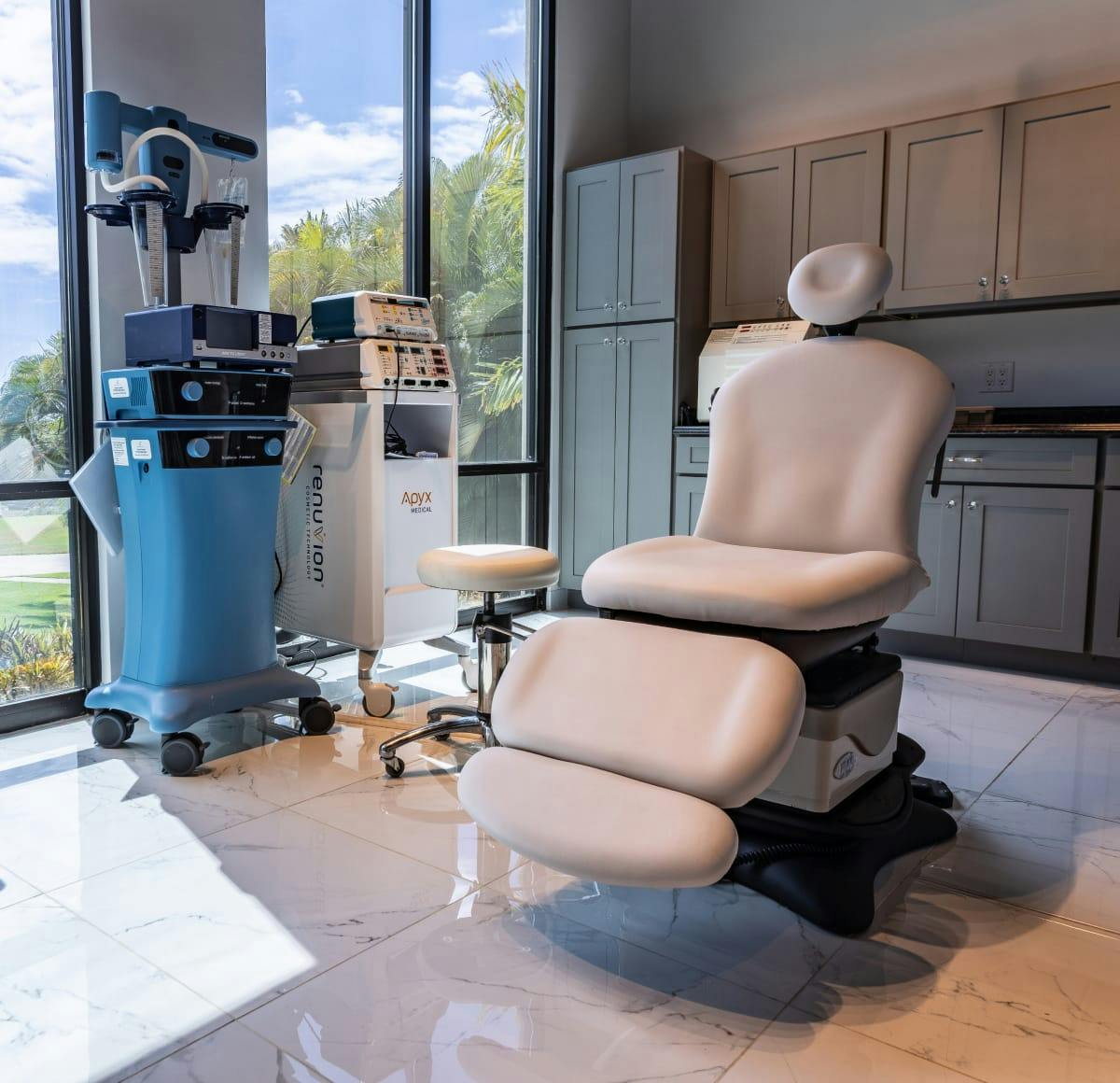
Every detail supports a patient-first experience. Visits are designed to feel unrushed, thoughtful, and honest. As a boutique, female-led practice, Restivo Plastic Surgery offers a discreet and calm setting for asking questions, exploring options, and feeling fully supported.





Long-Term Outlook
Hair loss is often progressive. Some patients continue medical therapy long term, while others use treatment temporarily or intermittently. Plans are adjusted as hair patterns evolve, and goals change.
The focus remains on what feels sustainable and appropriate for each individual.


Frequently Asked Questions Hair Restoration
Who is a good candidate for non-surgical hair restoration?
Patients experiencing early thinning, increased shedding, or gradual density loss may benefit, depending on the cause and pattern of hair loss.
How long does it take to see results?
Changes develop gradually over several months. Stabilization may occur before visible regrowth.
Are the results permanent?
Medical and topical treatments work while they are used. Discontinuation may allow hair loss to progress again over time.
Is non-surgical hair restoration only for men?
No. Women commonly pursue non-surgical options for thinning, shedding, or part widening.
Can hair restoration be combined with other treatments?
Yes. Hair restoration is often paired with wellness therapies, hormone evaluation, or PRP-based treatments when appropriate.
Will I need to use treatment forever?
Not necessarily. Duration depends on goals, response, and tolerance, and is reviewed over time.
Are there side effects?
Side effects vary by treatment and are reviewed in detail during consultation.
How do I know which option is right for me?
Evaluation and discussion determine whether medical therapy, topical treatment, or monitoring is most appropriate.
Is hair loss always genetic?
No. Stress, hormones, health conditions, and medications can contribute.
What happens if treatment isn’t right for me?
Dr. Restivo will explain alternatives or recommend observation if treatment is unlikely to be beneficial.
Stay Connected with Us